Author Archives: sagemassageandmovementaus

Mindfulness In Modern Massage Therapy

Mindfulness in massage encourages a heightened awareness of each stroke and pressure applied, allowing for a more tailored experience that responds to the body’s needs. This approach not only promotes physical healing but also supports mental well-being, making the massage experience more enriching and transformative.

Consider incorporating mindfulness techniques into your practice or sessions to elevate the benefits of massage therapy.

So what is mindfulness?

Mindfulness is the practice of being fully present and engaged in the current moment, while maintaining an attitude of openness and acceptance. It involves observing thoughts, feelings, and sensations without judgment, allowing individuals to develop greater awareness of their experiences. This practice can enhance emotional regulation, reduce stress, and improve overall well-being. By incorporating mindfulness into daily routines, individuals can cultivate a deeper connection to themselves and their surroundings, promoting a sense of calm and clarity in a fast-paced world.

Mindfulness Techniques

Practices such as deep breathing, meditation, and mindfulness-based stress reduction, help cultivate a present-moment awareness that reduces stress and anxiety.

By dedicating just a few minutes each day to mindfulness exercises, you can improve your focus, emotional regulation, and even physical health.

Start with simple techniques, like setting aside time for mindful breathing and gradually incorporate more structured practices as you become more comfortable.

During a treatment, start by grounding, guiding awareness to the senses, becoming aware of the space around you and tuning into the present moment. Allow for silence and space, be comfortable and embrace the peace. During moments when you are talking with a client, build a rapport through reflective listening skills. Being able to listen, validate and reflect your clients experience will put them at ease and help to build a sense of trust in you that you have heard their concerns and sought to understand them better to be able to give them the best possible treatment.

Embrace the transformative power of mindfulness to foster a deeper connection with yourself and those around you.

Transmuting Darkness Into Light

By Dr Talia Steed Yoga Teacher & Author

As human beings, we all face darkness at some point in our lives. For some that comes in the form of an illness or ailments showing up in the physical body, for others it arises through difficult external world circumstances, or perhaps through tribulations of the mind. Yet for each one of us, the commonality that we share as human beings, is that we will all have our own hero’s journey to overcome.

We will all encounter the particular set of life circumstances that our soul has called forth, to wake us up to something that we need to see, or activate something within our soul. You see the hero’s journey is not about punishment, but instead it is a call to connect with our inner strength and courageous spirit, to shed the layers of our small ego selves that may be in fact no longer serving us.

As we approach Easter, this idea of alchemising our struggles or inner darkness into light, becomes more prominent in our awareness. What we can all take from this story, whether of religious or spiritual faith or neither, is the need to cultivate awareness of aspects of our inner or outer lives that may be causing us suffering. For we cannot change that which we cannot yet see.

It is through shining the light of awareness on our darkness, our struggles and our tribulations, that we can we make space for them to surface. And it is through this process of awareness and acceptance, that we can then allow the process of alchemy from darkness into light. When we do so, we allow our soul essence to shine forth, to share our unique selves and gifts with the world.

Pearls of Wisdom:

  • Darkness and suffering are a part of every human life.
  • We are each faced with our own hero’s journey to awaken us to the aspects of our personality that do not serve us, or to activate a part of ourselves that has been dormant within.
  • Easter is a time that can allow us to contemplate what areas of our life are causing us suffering, and how might we transmute this suffering into light.

Wisdom within:

  • What areas in my life am I being called to look at more closely?
  • How can I cultivate the inner strength and courage I need to make any necessary changes my life is calling me to make?
  • If I know something does not feel right but can’t quite get to what it is, how might I go about connecting with my truth within? What helps me access that inner guidance? If I do not yet know, what do I think might assist me in cultivating this inner connection?

The Benefits of Regular Massage in Perth: Why It’s Worth It

When it comes to self-care and well-being, regular massage is often underestimated. In the vibrant city of Perth, where the pace of life can be fast and demanding, taking the time for regular massages at Sage Massage & Movement is not just a luxury; it’s a vital investment in your health and happiness. Let’s explore why regular massage in Perth is truly worth it.

1. Stress Reduction: Perth, while beautiful, can be a bustling city. The daily grind, traffic, and busy schedules can lead to high-stress levels. Regular massages are a powerful antidote to stress. The soothing touch of a skilled therapist can help release tension, calm your mind, and reduce stress hormones, leaving you feeling refreshed and rejuvenated.

2. Pain Relief: Whether you’re dealing with chronic pain, muscular tension, or the aches and pains of an active lifestyle, massage therapy can provide significant relief. Deep tissue massage and other techniques employed at Sage Massage & Movement can target specific areas of discomfort, promoting better circulation and muscle relaxation.

3. Improved Sleep: Quality sleep is essential for overall well-being. Regular massages can help improve sleep patterns by relaxing your body and mind. Clients often report falling into a deeper, more restorative sleep after a massage session, leading to increased energy and productivity during the day.

4. Enhanced Flexibility and Mobility: For those who lead active lives or spend hours at a desk, maintaining flexibility and mobility is crucial. Massage can help alleviate muscle stiffness, improve joint range of motion, and reduce the risk of injuries, enabling you to move with greater ease.

5. Immune System Support: Regular massages have been shown to boost the immune system. By reducing stress and promoting relaxation, massage can enhance the body’s ability to fight off illness and infections, keeping you healthier and more resilient.

6. Mental Well-being: Beyond the physical benefits, regular massages can have a profound impact on your mental health. They provide a sense of pampering and self-care that can boost your mood, reduce symptoms of anxiety and depression, and enhance your overall sense of well-being.

7. Better Circulation: Improved blood circulation is a fundamental benefit of massage. Enhanced circulation means more oxygen and nutrients reach your cells and tissues, promoting healing and overall vitality.

8. Detoxification: The lymphatic system plays a critical role in detoxifying the body. Massage techniques can stimulate lymph flow, aiding in the removal of waste products and toxins from the body.

9. Skin Health: Massage promotes healthy, glowing skin by increasing blood flow to the skin’s surface, which can lead to improved skin tone and texture.

10. Self-Care Ritual: Regular massage appointments serve as a powerful reminder to prioritise self-care. They offer a dedicated time for relaxation, rejuvenation, and self-reflection.

Regular massage at Sage Massage & Movement in Perth is not just a luxury but a smart investment in your health and well-being. It provides a holistic approach to maintaining physical, mental, and emotional balance in the midst of a dynamic city. Treat yourself to the numerous benefits of regular massages and discover a happier, healthier you in the heart of Perth. Book your appointment today and embark on your journey to wellness.


serc_1.png

Remedial

Book Now

serc_2.png

Remedial Assisted Stretch


Book Now

serc_3.png

Remedial Prenatal


Book Now

serc_4.png

Relaxation


Book Now

serc_5.png

Sports


Book Now

serc_6.png

Deep Tissue


Book Now

serc_8.png

Reflexology


Book Now

serc_13.png

Serenity Now


Book Now

serc_9.png

Hot Stones


Book Now

serc_10.png

Seniors


Book Now

serc_12.png

Kids & Teens


Book Now

How To Get Active When You Hate Exercise

We know exercise is good for our body but knowing something and acting on it can be two very different things. How can we learn to love exercise, or at least to accept it into our daily lives?

More than half (55 per cent) of all Australian adults don’t get the recommended amount of exercise for good health.

With work, commuting, juggling parenting and busy lifestyles — many of us would prefer to do something else than another task that feels like more work. The idea of sweating it out at the gym or pounding the pavement just doesn’t always appeal and we don’t have to look far to find an excuse to opt out.

What’s clear is that we don’t need another lecture about the importance of exercise (we know how good it is for us, right?!). For some, exercise has become loaded with guilt and failure and the ongoing pressure to add more to an already swamped to-do list.

When we’re already overwhelmed, it’s even more overwhelming to fit it in. However, exercise and movement don’t have to be complicated. It is about energising yourself, and it can be as simple as breathing and stretching.

Rather than resorting to exercise goals that feel overwhelming, start with smaller achievable goals.

How much exercise do we need?

According to government health guidelines, we need to be active every day for good health, including our mental health.

Along with moderate exercise (such as walking, playing golf, lawn-mowing and swimming), our bodies need to get a more intense aerobic workout that gets our heart and circulation pumping. This includes faster pace activities like jogging, spin cycling or high intensity training.

At the very least, 2.5 hours of moderate physical activity or 1.25 hours of vigorous exercise — or a combination of the two — is recommended each week. Ideally, double that amount is recommended. Basically, the more exercise you do, the better.

Weaving it, not squeezing it, into your everyday life

Instead of thinking of exercise as a two-block period, break it up into small, achievable chunks of 10-minute bursts throughout the day. Stretch at home on the floor between other tasks and take advantage of exercise apps.

Activities we regularly do but that we don’t commonly label as workouts are the easiest way to weave exercise into the flow of our daily lives.

For older people, it may be choosing to stay independent, such as doing the housework, gardening, mowing the lawn and walking the dog. For busy parents, it might be playing with their kids at the park.

It’s about looking for opportunities in daily life to tweak what we do to maximise movement. All these small bouts of physical activity add up. We don’t have to make big changes at once, small changes can make a big difference.

Build habits, don’t rely on motivation

Motivation isn’t enough to make us more active, the brain will always take the path of least resistance. We have to rely on discipline and habits.

Whether it’s a daily walk with a friend or a weekly yoga session, the following are ways to make an exercise habit.

  • Set an intention. Decide what you want to achieve and be specific. For example, set an intention to go for a 30-minute walk on Monday, Wednesday and Friday.
  •  Diarise it. Plan and time-block it into your diary as you would for work, birthdays and appointments.
  • Empower your intention with language. Create language (and thoughts) that support your intention. Instead of saying “I might try to exercise this week”, try saying “I’m going to exercise on Monday”.
  • Temptation bundle make it fun. If you don’t like the idea of exercise, combine it with something you do enjoy. For example, ending your exercise with a visit to the coffee shop as a reward, listening to music while you’re on an exercise bike, exercising while catching up with a friend or while surrounded by beautiful scenery. Associate something you don’t like with something you do like. When we make things fun, we are more likely to do it.
  •  Make it easy and start small. Overcommitting to more than you can do comfortably is counterproductive. Instead of saying, ‘I’m going to go every day’, limit yourself to three days this week. On the day, if you’re really not feeling like it, you can set yourself a 20-minute goal. Go for 20 minutes; you’re likely to go a bit longer.
  • Make it obvious. Encourage the habit with reminders and make the habit accessible, such as leaving your gym clothes, walking shoes or yoga mat out and ready to go. Remember, out of sight, out of mind.
  • Create a contract. Make a contract with yourself that outlines your goal and share it with someone, such as a partner or friend. Build consequences and rewards into it.
  • Enlist a helper. Don’t expect to solve everything on your own. If a health condition or injuries are holding you back from the benefits of physical activity, see a professional who can help you create a program that works for you. If emotional problems like depression are holding you back, get help from a psychologist. If you don’t know what to do, a personal trainer can help, or you can try teaming up with a buddy.
  • Set up a supportive environment. If you’re doing your exercise at home, setting up an inspiring space is important. Little things like diffusing uplifting essential oils or playing songs that you love. These things can bring back happy memories, increase our happiness hormones and encourage any exercise practice at home.

The right exercise for you

When we’re burnt out and tired, the last thing we want to do is exercise. Check in with your nervous system. Do you feel like you’re running on adrenaline? If so, you could be heading for adrenal fatigue so start with gentle exercises like some daily stretching, yoga or short walks.

For others who are just feeling sluggish from a sedentary lifestyle, a regular short run or cycle might work best to rejuvenate us.

Because we’ve also all got unique body types and needs, it’s about choosing the best option that makes exercise work for you. For some, a high-intensity CrossFit is good for their body; for others, gentler exercises like yoga or Pilates are more appropriate. Those who feel intimidated by group activities might prefer doing virtual classes in the comfort of their home.

Finding meaningful movement

To some of us, bouncing up and down in a gym or doing aimless laps of the block may lack meaning. For others that’s a type of meditation; a way of clearing the head and restoring energy levels.

Try to narrow down what’s important and meaningful to you. Connect what your purpose is to a movement. If you’re just doing exercise for the sake of it, it’s hard to keep going.

For instance, seeing how those yoga stretches might ease the pain in your back and improve your moods. Perhaps a virtual or group dance class makes you feel young again & reconnects you with songs you used to love. Boxing or self-defence classes might have meaning through the self-confidence and empowerment they bring.

These tips may help change your relationship with exercise. Hopefully instead of resistance and guilt, you can learn to love the benefits it brings. The hardest part is always the first step, so don’t overthink it. Keep your goals achievable and your sessions small and get out there and do it!


Self Care in 7 Easy Steps
(….and why it’s not selfish)

Have you ever heard the saying, “you can’t pour from an empty cup”? This quote is used to emphasise how important it is to take care of yourself, in order to help and support others. 

You can’t help others when you are running on empty.  And you can’t take care of yourself when you always put the needs of others above your own. Humans are wired to care and connect, but sometimes we can take this a step too far and help others at the expense of our own health and happiness.

The importance of self-care

If you habitually prioritise other people’s needs over your own, then you might – ironically – be doing both yourself and the people you care about a disservice. 

When you feel exhausted and overwhelmed, you won’t be able to give people your full energy and support. Physically, you might be there. But emotionally or mentally – it’s all too much.

That’s why self-care is so important. It’s more than just a buzzword or a trend, and it’s definitely not an indulgence. Filling your tank first helps you be a better relative, friend, worker, and member of your community. 

How to fill your cup 

In a nutshell, it’s about prioritising self-care. Here are some ways you can move yourself to the top of your to-do list.

1. Start with sleep

If you’re really pressed for time, start with sleep. Getting enough sleep is essential for feeling your best. If you’re constantly feeling tired or experiencing other symptoms of sleep deprivation, see if you can make some changes. 

2. Aim for little and often

Self-care doesn’t always need to be a 60 minute yoga session, a three-course meal, or a week’s worth of exercise plans. Often, it’s as simple as taking five minutes in the morning to stretch your body in a way that feels good. Or, pausing each hour to take a few deep breaths in fresh air. Instead of speeding through your day hoping to relax at the end of it, try to take quiet moments for yourself as often as possible. Treat each day as a marathon, not a sprint.

3. Create a self-care goody bag

This is a fun one! Make sure you have different things to look forward to in the day – and do them. This might include taking time to experience and enjoy taking a shower, drinking a coffee, walking, and playing guitar. Your goody bag is a list of things that fill your tank, and could include things like watching a comedy, walking in nature or listening to music. 

You can also create virtual or real goody bags to delve into any time you need a pick-me-up. The virtual goody bag could include photos of friends or family, guided meditations, or funny videos. Your real-life goody bag could hold a good book, art supplies, and a bar of chocolate. 

4. Start the day your way

The things you do within the first hour of waking can set the tone for your entire day. If you immediately check your emails, scroll social media, or throw yourself into household chores, there’s a risk you will stay in ‘reactive mode’ all day, responding to other people’s requests and demands instead of taking time out for you. Whether it’s exercise, meditation, journalling, or just sipping your morning coffee, if possible, set aside some time in the morning to do something that fills your cup. 

5. Nourish your mind and body

Fuel your mind and body with energising food. Nutrition looks different for everyone, but some staples that work for most people include drinking plenty of water, eating a variety of colourful fruits and vegetables, and taking the time to enjoy your meals.

6. Lean on your support network

Everyone needs a support network, yourself included. Don’t try to be a superhero and navigate the complexities of life on your own. Ask for help when you need it and make time to connect with the people who have your back – whether by call, txt or social media DM.

7. Do one thing a day that fills your tank

If you can commit to nothing else, try this one. Everyone deserves to do something they enjoy every day. Make a list of all the activities and hobbies you love and schedule ‘tank-filling-time’ into your calendar as a non-negotiable. Even five minutes counts. You’ve got this!

Which Massage To Choose?

There are so many massage styles available it’s hard to decide which one may be right for you. Some massage styles are designed to suit people with specific needs or ailments. Others may be suitable for a wider range of clients but can be individualised to suit personal needs.

If you want a massage, but are unsure of which style to choose, think about what you want to get from the massage session and this will help you decide. Here are some massage therapies that may suit you:

Massage therapy for relaxation

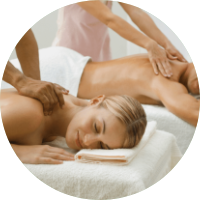
If you are after a massage that will give you the chance to relax and unwind, a relaxation massage with aromatherapy oil upgrade may be right for you. An aromatherapy massage uses essential oils. The oils used may be a specific blend chosen by the individual. This massage uses Swedish massage techniques which are deeply relaxing and stimulate circulation. Relaxation massage therapy is undertaken in a calm and peaceful environment and uses gentle motions, making it beneficial for stress relief.

Massage therapy for pain relief

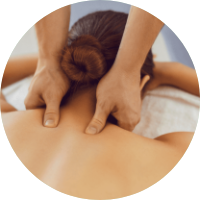
Remedial massage therapy is suitable for people with a specific injury, chronic pain or restricted movement. This massage therapy will identify and treat the root cause of the problem. Stretch and release, trigger point, deep tissue and a range of other techniques are used as part of the treatment. You may also benefit from taping, myofascial cupping or dry needling.

Deep tissue massage is an alternative for those preferring more general release of deep muscular tension.

Massage therapy for sports people

Sports massage therapy draws on techniques to help prevent injuries and improve sporting performance. This massage therapy can also quicken the rate of recovery and can help athletes prepare for competition. Sports massage therapy draws on deep tissue techniques along with stretching to ease muscle spasms caused by physical exertion. This massage therapy can form part of a long-term exercise management program.

Massage therapy for pregnant women

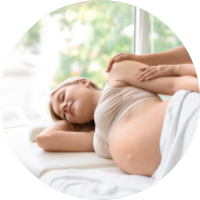
For women that want relief from some of the discomforts of pregnancy there is a massage therapy for you! Pregnancy massage is specifically designed for pregnant women to offer relief from the aches and pains experienced during this joyous time. A pregnancy massage uses specialised pregnancy pillows & positioning to allow mums to be comfortable whilst allowing their therapist access to all the areas needing tension release.

Massage therapy for headaches

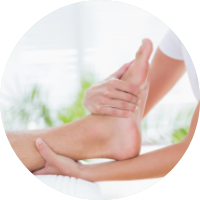
Massage is a great way to offer relief for headaches or to prevent them returning.  A specialised ‘Head, Neck &Face’ massage can help ease the intensity of a headache and lower the occurrences. Gentle trigger point or acupressure therapy and jaw release can treat the cause of tension headaches. Reflexology may also help soothe a headache by stimulating points on the feet or hands which according to traditional Eastern medicine.

Massage therapy for improved circulation

Many massages work to improve the flow of blood. Lymphatic massage therapy in particular works to stimulate lymph and blood flow. This assists in the reduction of fluid retention in the body and also stimulates the immune system and removal of waste from the cells of the body.